 Thonburi Trang
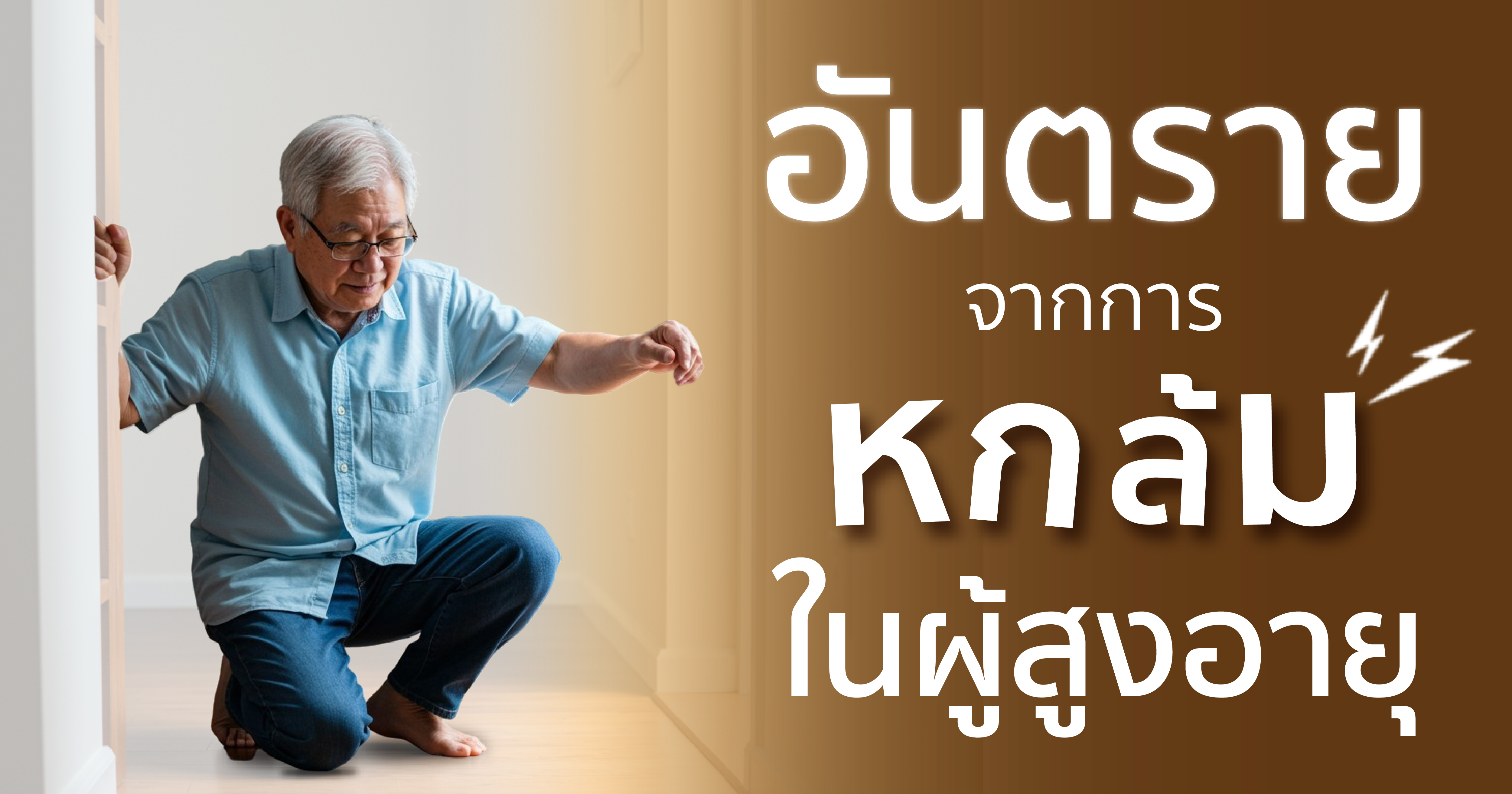
Falls are one of the most common — yet underestimated — health risks among older adults. A simple slip or stumble can result in serious injuries such as hip fractures or head trauma, often leading to loss of independence.
According to health data in Thailand, more than half of seniors experience at least one fall each year, and most of these incidents occur at home.
This article, presented by Thonburi Trang Hospital, provides educational insights into understanding, preventing, and managing falls in the elderly — along with modern treatment options that help seniors regain mobility safely.
Aging naturally affects balance, strength, and reflexes — making older adults more prone to falls.
Muscle Weakness: Reduced muscle mass makes it harder to maintain balance.
Impaired Coordination: Nervous system decline affects posture and reaction time.
Poor Vision: Difficulty judging distances or seeing obstacles clearly.
Slippery bathroom floors or loose rugs
Poorly lit hallways or stairs
No handrails or uneven steps
Falls can have devastating consequences. The most common injury among seniors is a hip fracture, often requiring surgery or long-term rehabilitation.
But the effects go beyond the physical:
Loss of confidence in walking
Anxiety or fear of falling again
Social withdrawal and depression
Be alert to these symptoms:
Feeling dizzy or lightheaded
Unsteady walking
Frequent loss of balance
Taking medication that causes drowsiness
Low-impact exercises like walking, gentle yoga, and leg lifts can significantly improve stability and flexibility.
Install handrails in the bathroom and along stairs
Add bright lighting in hallways
Use non-slip mats and wear supportive footwear
Remove clutter and uneven rugs
Stay calm – Don’t try to get up immediately.
Check for injuries – Especially hips, knees, and head.
Call for help – Seek medical care even if no pain is felt, as hidden fractures are common.
Recovery depends on the injury’s severity.
Physical therapy helps rebuild strength and mobility.
Joint replacement surgery may be recommended for severe knee or hip damage.
Thonburi Trang Hospital offers comprehensive care with advanced orthopedic technology and a specialized team of joint replacement experts. Our goal is to help elderly patients regain confidence and move freely again.
Emotional healing is just as important as physical recovery. Encourage seniors to:
Join group exercise programs
Walk with assistance devices like canes or walkers
Set small, achievable mobility goals
Support from family and medical professionals can greatly improve recovery outcomes.
A fall may seem minor, but for older adults, it can change their quality of life entirely. Prevention, awareness, and proper medical care are the keys to safe aging.
If you or a loved one needs guidance on joint health, fracture care, or joint replacement, consult the experts at Thonburi Trang Hospital for personalized treatment and rehabilitation options.
Learn more at Thonburi Trang Hospital
1. What’s the most common cause of falls in older adults?
Poor balance, weak muscles, and unsafe environments are the main causes.
2. How can seniors strengthen their legs to prevent falls?
Light resistance exercises or balance training several times a week can help.
3. When should someone see a doctor after falling?
Immediately, especially if they feel hip pain, can’t stand, or lose consciousness.
4. Are hip and knee replacements safe for seniors?
Yes. With modern surgical techniques, recovery is faster and safer than before.
5. Can home modifications really prevent falls?
Absolutely. Proper lighting, non-slip floors, and handrails significantly reduce risk.
6. Does Thonburi Trang Hospital offer elderly rehabilitation?
Yes — the hospital provides full rehabilitation and orthopedic care tailored for seniors.
 Appointment
 Find a Doctor
 Online Bill Payment