 Thonburi Trang
Once thought to affect only older adults, cancer is increasingly being diagnosed in people aged 30 and above. The reason? Modern lifestyles — filled with stress, irregular sleep, and especially poor dietary habits — are silently increasing our cancer risk.
If you often enjoy grilled or fermented foods, drink alcohol, or skip annual health checkups, your body may already be accumulating carcinogenic substances without you realizing it.
Let’s take a closer look at the everyday habits that can quietly increase your chances of developing cancer:
Frequent consumption of grilled, charred, or smoked foods
→ These can contain PAHs (Polycyclic Aromatic Hydrocarbons) and HCAs (Heterocyclic Amines), both known carcinogens.
Eating fermented or raw foods like pickled fish or salted seafood
→ These foods may contain nitrites or harmful bacteria linked to stomach and liver cancer.
Regular smoking or alcohol drinking
→ Major contributors to cancers of the liver, lungs, mouth, and esophagus.
Never getting regular health checkups or cancer screenings
→ Missing early warning signs allows cancer to progress unnoticed.
Long-term exposure to these risk factors can increase your cancer risk by 2–3 times compared to healthy individuals.
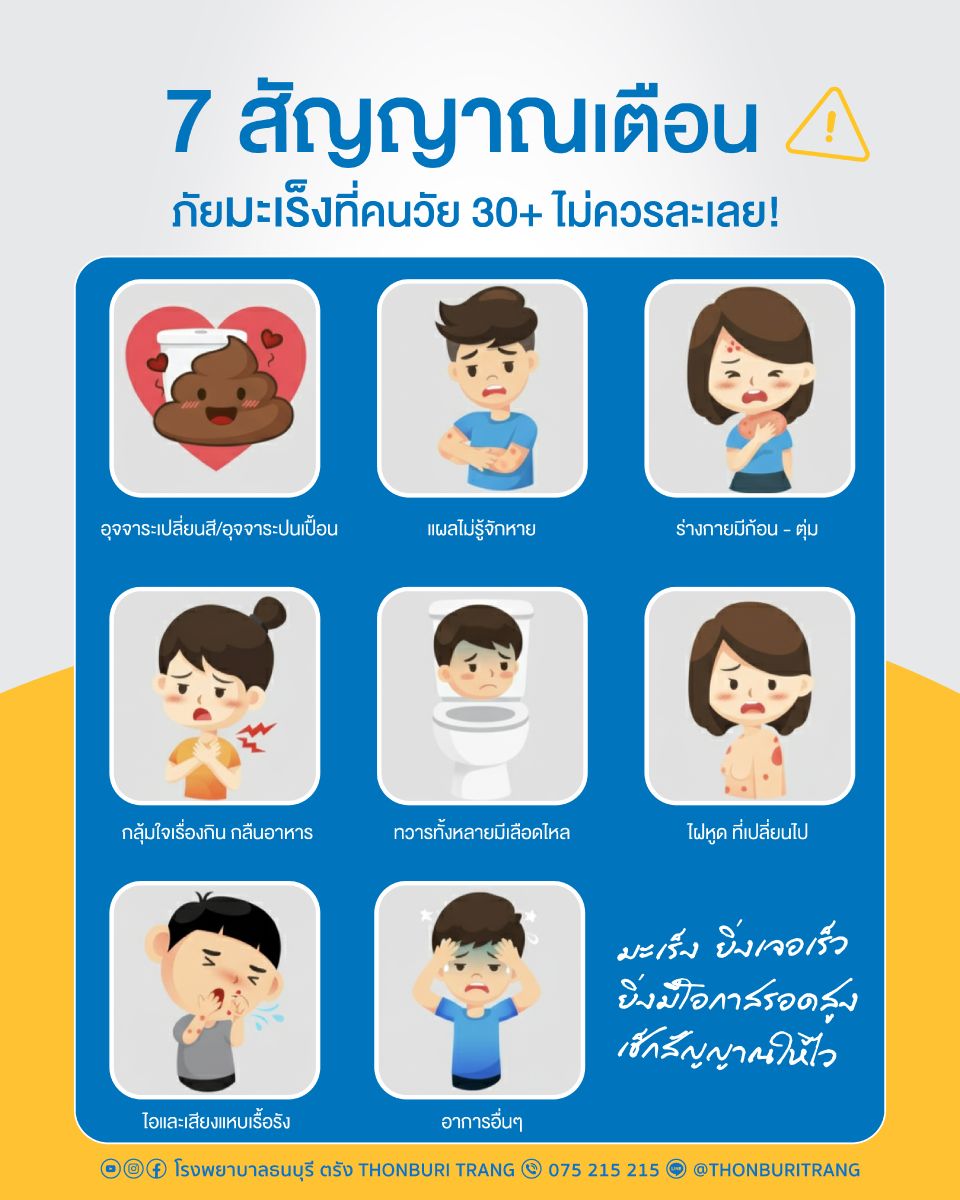
Your body often gives clues before cancer develops into something serious. If you notice any of the following seven warning signs, see a doctor immediately.
Frequent constipation, diarrhea, or changes in stool consistency may indicate colon cancer.
Persistent wounds or mouth ulcers lasting more than two weeks should not be ignored.
Unusual lumps, especially in the breast, neck, or armpits, may signal abnormal cell growth.
This could be an early sign of esophageal or throat cancer.
Any unexplained bleeding — even small amounts — requires immediate medical attention.
A growing mole, color change, or irregular border may be an early symptom of skin cancer.
These could be linked to lung, thyroid, or digestive cancers.
Detecting cancer early dramatically improves treatment success.
When caught in the early stages, survival rates can reach 80–90% — but once cancer spreads, treatment becomes far more complex and less effective.
You should consider regular cancer screening if you fall into any of these categories:
Adults aged 30 years and older
Those who frequently eat grilled or fermented foods
Individuals with a family history of cancer
People living in regions with higher cancer rates (e.g., southern Thailand: Trang, Krabi, Satun, Phatthalung)
Don’t wait until symptoms become severe.
Cancer doesn’t happen overnight, but it grows silently.
You can dramatically lower your risk by:
Eating a balanced, low-fat diet
Limiting grilled and processed foods
Quitting smoking and drinking
Exercising regularly
Scheduling yearly checkups
The earlier you act, the better your chances of survival.
Q1: Can people in their 30s really get cancer?
A: Yes. Modern lifestyles and poor diet habits have increased cancer cases in younger adults significantly.
Q2: Is frequent diarrhea or difficulty swallowing a cancer symptom?
A: It could be. If these symptoms persist for more than two weeks, consult a doctor for further testing.
Q3: What if I have a sore that won’t heal?
A: Persistent wounds, especially in the mouth or skin, may signal early cancer. Always get them checked.
Q4: Should I worry about a new or changing mole?
A: Yes. Changes in size, color, or shape may indicate skin cancer and require medical evaluation.
Q5: How do I get a cancer screening?
A: You can visit any hospital for screening. Doctors will recommend suitable tests based on your age and risk profile.
Q6: Can cancer really be prevented?
A: Absolutely. Avoid high-risk habits, eat healthy, and maintain regular checkups — prevention is far easier than treatment.
Cancer is not a disease that waits.
By recognizing the 7 early warning signs of cancer and acting immediately, you can protect yourself and your loved ones.
Your health is your best investment — start today, not tomorrow.
 Appointment
 Find a Doctor
 Online Bill Payment